Vandal Vibes: The Font That Smashes Convention for Maximum Impact
Forget everything you know about polite, predictable typography. There’s a time and place for elegant serifs and clean sans-serifs, but sometimes your design needs to scream rather than whisper. It needs the raw, unfiltered energy of a street poster, the gritty texture of a photocopied zine, and the defiant attitude of punk rock. This is where a typeface stops being just letters and starts becoming a visual weapon. For projects that demand attention and refuse to blend into the background, you need a font with a rebellious soul and a DIY heart. You need something that feels lived-in, torn, and full of history before it even hits the page.
More Than a Font: A Visual Attitude
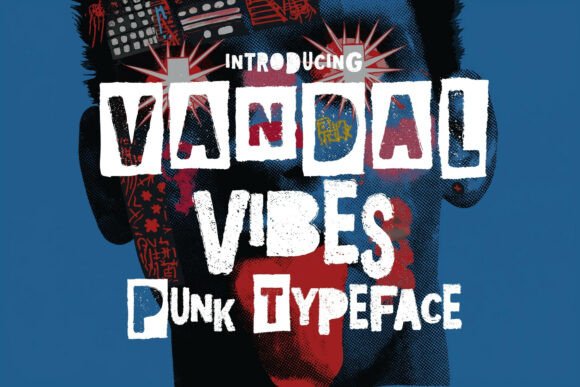
So, what exactly is this rebellious typeface? It’s a premium display font built for one purpose: to inject raw, chaotic energy into your work. Inspired by the visual noise of underground culture, it captures the essence of graffiti tags, punk band flyers, and activist posters. The magic lies in its duality. The Regular style gives you bold, impactful letterforms with a distinct cut-and-paste aesthetic. It’s highly readable, making it perfect for headlines and logos where you need attitude without sacrificing clarity. Then there’s the Textured style, which takes that foundation and adds a layer of authentic, worn-out grit. It looks stamped, sprayed, or distressed, as if it’s been plastered on a brick wall for years. This isn’t just a distressed effect; it’s a carefully crafted texture that tells a story of rebellion and hands-on creation.
Where This Rebel Truly Shines: Real-World Applications
Understanding a font’s personality is one thing; knowing how to harness it for your specific goals is where the real value lies. This isn’t a typeface for your corporate annual report, but for a vast range of creative and commercial projects, it can be the secret ingredient that makes your work unforgettable.
Forging an Unforgettable Brand Identity
If your brand is built on challenging norms, authenticity, or a connection to street culture, this typeface becomes a cornerstone of your visual identity. Think of a craft brewery with a rebellious streak, an independent record label, a skate brand, or a streetwear startup. Using the Regular style in your logo instantly communicates a no-nonsense, confident vibe. Pair it with a simple sans-serif for body copy to maintain readability while letting the logo command attention. For packaging design, the Textured style can create labels that feel artisanal and handcrafted, telling customers this isn’t a mass-produced product—it’s made with passion and a bit of grit.
Commanding Attention in Digital Spaces
In the relentless scroll of social media, standing out is non-negotiable. A bold, textured headline created with this font can stop thumbs and boost engagement. Use it for Instagram story graphics, YouTube thumbnails, or announcement posts to create a sense of urgency and excitement. For website design, it’s a powerful tool for hero sections and key calls-to-action. Imagine a landing page for a music festival or a new podcast series where the main headline uses the Textured style—it immediately sets a tone of energy and authenticity that a standard font simply can’t match. It’s about creating a visual experience that resonates with your audience’s desire for something real and unpolished.
From Print Collateral to Merchandise
The applications extend far beyond the screen. For event promoters, this is the ideal choice for poster design. A gig poster or a community event flyer needs to grab attention from a distance and convey excitement instantly. The strong readability of the Regular style ensures the who, what, and when are clear, while the Textured variant can add layers of visual interest to supporting graphics. For merchandise like t-shirts, hats, or stickers, the distressed texture feels right at home, giving products a vintage, worn-in look that’s highly desirable. Even for something like a wedding invitation with a non-traditional, rock-and-roll theme, or a bold editorial layout in a magazine, this font brings a unique voice that can elevate the entire project.
Pairing and Practicality: Using the Font Like a Pro
Bringing a high-energy display font into your work requires a bit of strategy to ensure it enhances rather than overwhelms. The goal is harmony, not chaos. Here’s how to approach it practically.
- Choose Your Style with Intent: The Regular and Textured styles serve different masters. Use the Regular for primary logos and headlines where clarity is paramount but you still want that punk attitude. Save the Textured style for secondary headlines, pull quotes, or graphic elements where you want to add a layer of raw, tactile depth. Mixing them can work, but it should feel intentional, not accidental.
- Master the Font Pairing: A rebel needs a partner. Because this typeface is so expressive, it pairs best with clean, neutral companions. A classic sans serif font like Helvetica, Futura, or a modern neo-grotesque makes an excellent counterpart for body text, ensuring your message remains easy to read. For a different twist, pairing it with a simple script font for subtle accents can create an interesting contrast between raw energy and fluid elegance.
- Readability is Your Responsibility: While the Regular style is designed for impact with good readability, the Textured style’s distressed nature means it’s best used for short, impactful bursts of text. Avoid setting long paragraphs with it. Always test your designs at the actual size they’ll be viewed—a poster headline has different needs than a website button.
- Understand Your Licensing: For any creative entrepreneur or small business owner, this is a critical step. Ensure the commercial license for the font covers all your intended uses, whether it’s for a client’s logo, products for sale, or digital assets. Reputable font foundries are clear about their licensing, so you can use the font with confidence across all your marketing assets and design projects.
Injecting Authenticity Into Your Creative Toolkit
In a world saturated with polished, generic visuals, a typeface with this much character is more than just a design asset—it’s a statement. It’s for the designer who wants to break free from sterile minimalism, the content creator who wants their graphics to feel genuinely engaging, and the small business owner whose brand story is one of passion and defiance. It’s about choosing typography that doesn’t just look good, but feels right for the project’s soul. By understanding its strengths, pairing it wisely, and applying it with purpose, you can harness its rebellious energy to create work that is not only seen but truly felt. It’s a tool for building a brand identity that resonates, for crafting social media graphics that pop, and for designing print materials that people actually want to keep. That’s the power of a truly distinctive creative font.