Hours Later: A Font That Sparks Instant Joy in Your Designs
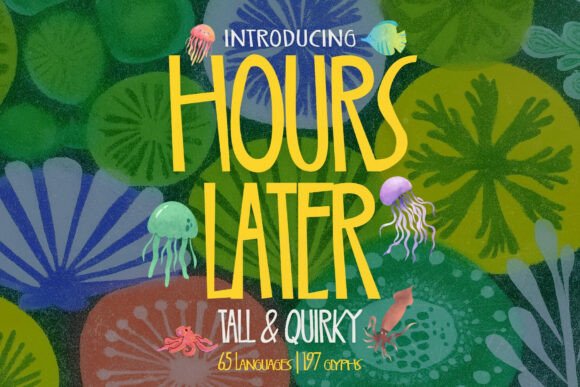
There are typefaces that whisper, and then there are typefaces that sing. Hours Later is firmly in the latter camp—a tall, playful display font that doesn't just sit on the page but practically bounces off it. If you've ever stared at a blank canvas trying to inject personality into a project, this typeface might be the missing ingredient you didn't know you needed. It's the kind of font that makes people smile before they've even finished reading the word, and in a world saturated with serious, minimalist typography, that's no small thing.
Why "Cute" and "Professional" Aren't Mutually Exclusive
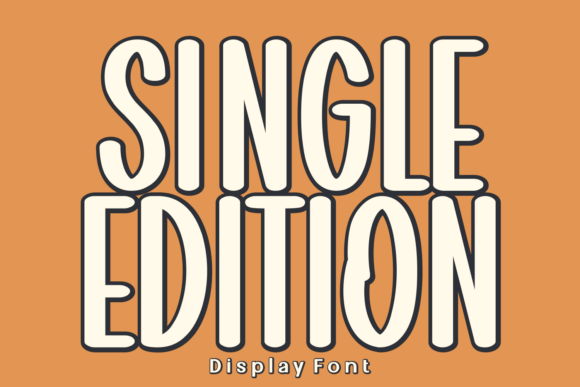
Let's address something head-on: playful fonts sometimes get a bad rap. There's a lingering assumption that whimsy equals amateur, that quirky letterforms can't coexist with polished branding. Hours Later challenges that idea directly. Its tall proportions give it a sense of structure and intention, while its rounded, friendly shapes keep things warm and approachable. The result is a typeface that feels joyful without being childish, expressive without being chaotic.
Think about the brands you love that target families, children, or anyone who appreciates a bit of lightheartedness. They often succeed because they balance fun with clarity. Hours Later does exactly that. The letterforms are distinctive enough to be memorable, but the overall rhythm of the typeface remains readable at various sizes. That's a tricky balance, and it's what separates a well-crafted display font from one that sacrifices function for flair.
Where This Typeface Truly Shines
Practical application matters more than any font specimen sheet. So let's talk about where Hours Later actually works in the real world.
Kids' brands and baby products are an obvious starting point. If you're designing packaging for children's snacks, toys, or clothing, this font immediately sets the right tone. It says "safe, fun, and designed with care" without needing a single illustration to back it up. The same applies to nursery decor, classroom materials, and educational resources—anywhere you want content to feel inviting rather than intimidating.
Party invitations and event materials benefit enormously from this kind of typography. Birthday invitations, baby shower announcements, school event posters—these are projects where personality is the whole point. Hours Later delivers that personality in spades, and it pairs well with simple illustrations or bright color palettes.
Social media graphics are another sweet spot. In a feed full of clean sans serifs and elegant serifs, a playful display font stops the scroll. It works particularly well for quote graphics, announcement posts, story templates, and any content where you want to feel human and relatable. For small business owners in the parenting, education, or lifestyle space, this can be a real differentiator.
Don't overlook packaging design either. Whether you're creating labels for a small-batch product, designing a subscription box, or developing merchandise for a kids' brand, Hours Later brings warmth that more traditional typefaces simply can't match. It works beautifully on physical materials—printed boxes, tote bags, stickers—where tactile quality matters.
Website headers, blog titles, and digital products round out the list. If your brand voice leans friendly and approachable, using a font like this for headlines while pairing it with a clean sans serif for body text creates a visual hierarchy that feels both professional and personable. It's a strategy used by successful lifestyle bloggers, online course creators, and indie publishers alike.
Making Typography Work for Your Brand Identity
Choosing a font isn't just about aesthetics—it's a branding decision. The typeface you use communicates your values, your audience, and your personality before anyone reads a single word of copy. Hours Later communicates approachability, creativity, and warmth. If those align with your brand, it's worth serious consideration.
That said, font pairing is where the real magic happens. A display font like this works best as a headline or accent typeface, not for long paragraphs of body copy. Pair it with a simple, readable sans serif—something like Open Sans, Lato, or Nunito—and you get the best of both worlds: personality up top, clarity below. For a more editorial feel, a clean serif like Lora or Source Serif Pro can create an interesting contrast that still feels cohesive.
Before committing to any typeface for a brand, test it across your key touchpoints. Mock up a business card, a social media post, a product label, and a website header. Does the font maintain its charm at small sizes? Does it feel consistent across different applications? Hours Later's tall, open letterforms hold up well across formats, but it's always worth testing against your specific use cases.
Readability should remain a priority, even with playful fonts. Avoid using Hours Later for dense body text, legal disclaimers, or anywhere clarity is critical. Its strength is in display settings—titles, headers, short phrases, and callouts where its personality can breathe without competing with information density.
Practical Tips for Getting the Most Out of Display Typography
If you're relatively new to working with display fonts, a few guidelines can save you headaches down the road.
- Check the licensing carefully. If you're using Hours Later for commercial projects—client work, merchandise, products for sale—make sure your license covers that use. Many premium fonts offer different tiers, and it's worth understanding what you're getting upfront.
- Review the full character set. Good display fonts include alternates, ligatures, and extended language support. Spend some time exploring what's included so you can take advantage of every option.
- Consider your color palette. Playful fonts often look best with equally vibrant or warm color schemes. Soft pastels, bold primaries, or warm neutrals can all complement the cheerful energy of a typeface like this.
- Don't overuse it. One playful font per project is usually enough. Mixing multiple whimsical typefaces creates visual noise rather than personality. Let Hours Later be the star, and keep supporting fonts understated.
- Think about your audience's expectations. A kids' birthday party invitation and a children's educational app both target young audiences, but the design contexts are very different. Tailor your typography choices to the medium and the moment.
Bringing It All Together
Hours Later is a reminder that design doesn't have to be serious to be effective. In the right context, a font that makes people grin is more powerful than one that merely looks elegant. For designers, small business owners, content creators, and anyone building a brand that speaks to families, children, or the young at heart, this typeface offers something genuinely useful: a way to inject warmth and personality into every touchpoint without sacrificing clarity or professionalism.
The best typography decisions aren't about following trends—they're about finding the right voice for your message. If your message is joyful, friendly, and full of life, Hours Later might just be the voice you've been looking for.