Shinzoku Japanese: Where Street Art Meets Calligraphy
There’s a moment in every creative project when you realize the default fonts just won’t cut it. You need something with presence, something that carries its own story before anyone reads a single word. That’s the energy behind Shinzoku Japanese—a typeface that doesn’t sit politely on the page. It leans in. It speaks with the raw, textured confidence of a spray can hitting concrete, yet holds the disciplined grace of traditional Japanese brush strokes. For designers, entrepreneurs, and creators tired of safe choices, this font is an invitation to make a statement that feels both ancient and urgently modern.
Understanding the Visual Language
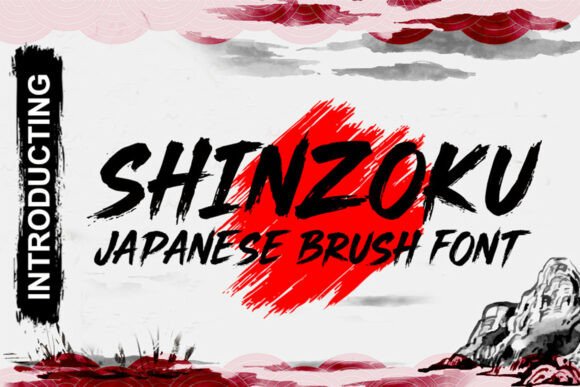
Shinzoku Japanese isn’t just a collection of letters; it’s a visual dialect. Its characters are built on the foundation of kanji and calligraphic forms, but they’ve been reinterpreted through the lens of urban graffiti and street art. You’ll see this in the energetic, sometimes uneven strokes that mimic the pressure of a marker or the drip of paint. The edges aren’t perfectly smooth—they have a handcrafted, tactile quality that digital fonts often lack. This gives it an authentic, human feel. It’s a premium font designed to inject motion and cultural fusion into your work, making it perfect for projects that need to stand out in a crowded visual landscape.
What makes it visually compelling is this duality. It carries the weight and history of Eastern calligraphy, suggesting depth, tradition, and meaning, while simultaneously channeling the rebellious, expressive energy of Western street culture. This blend creates a unique typeface personality that can communicate both sophistication and edge, depending on how you use it.
Practical Applications for Real-World Projects
This isn’t a font that only works in abstract art galleries. Its real power lies in its versatility across commercial and creative projects where impact is key.
- Brand Identity & Logo Design: If your brand lives in the music, apparel, action sports, or creative agency space, Shinzoku Japanese can become the cornerstone of your logo design. It instantly communicates a brand that’s bold, culturally aware, and not afraid to break conventions. It works exceptionally well for monograms or stylized wordmarks.
- Posters & Event Graphics: Need to promote a concert, festival, or underground event? This display font grabs attention from across the room. Its high-impact strokes ensure your message isn’t just seen—it’s felt. It’s ideal for posters and large-format prints where readability at a distance is less critical than raw visual power.
- Packaging & Merchandise: For product packaging on items like energy drinks, specialty sauces, or streetwear, this font adds a layer of cool authenticity. On merchandise like t-shirts, hats, or stickers, it functions as a graphic element in itself, appealing to audiences who value distinctive design assets.
- Digital & Social Media: In the fast-scroll world of Instagram, TikTok, or YouTube, a creative font like this can stop thumbs. Use it for channel art, video thumbnails, or social media graphics to create a consistent, edgy aesthetic that boosts brand recognition.
- Editorial & Layout Design: Think of album covers, magazine headlines, or book chapter titles. Shinzoku Japanese can serve as a powerful typographic accent in editorial design, adding visual interest and guiding the reader’s eye through the layout.
Integrating Shinzoku into Your Design Workflow
Adopting a font with this much personality requires a bit of strategy. The goal is to harness its energy without overwhelming your project. A common mistake is using it for body text—its intricate details and stylistic flourishes make it challenging to read in long paragraphs. Instead, treat it as a display font, saving it for headlines, titles, and short, impactful phrases.
Font Pairing is Crucial. Because Shinzoku is so expressive, it pairs best with simpler, cleaner typefaces. Consider a neutral sans serif font for body copy or subheadings. A clean serif font can also create an interesting contrast between traditional elegance and streetwise energy. The key is balance. Let Shinzoku be the star of the show in key areas, and use your supporting font to provide calm, readable context.
Test for Context. Always view the font in the medium it’s intended for. A design that looks powerful on your computer screen might lose detail when printed small or become illegible when scaled down for a business card. Mock it up on a website, a t-shirt, or a poster to see how it performs in the real world. Pay attention to readability considerations—sometimes adding a subtle drop shadow or a solid color block behind the text can help it pop without compromising clarity.
Making the Right Choice for Your Project
Choosing any commercial font is an investment, so it’s wise to approach it thoughtfully. First, review the full character set and included styles. Shinzoku Japanese typically comes with a range of glyphs, including alternates and swashes, that allow you to customize the look further. Does it include the punctuation and symbols you need? Does it support multiple languages if required?
Next, consider licensing. For entrepreneurs and small business owners, understanding the commercial licensing terms is non-negotiable. Ensure the license covers your intended use—whether it’s for a client project, print-on-demand merchandise, or digital products. A reputable font provider will make these terms clear.
Finally, ask yourself if the font’s personality aligns with your project’s goals and your audience’s expectations. Shinzoku Japanese isn’t for a law firm or a pediatric clinic. It’s for the music label launching a new artist, the coffee roaster with a gritty urban vibe, the YouTube creator building a bold personal brand, or the designer crafting marketing assets for a streetwear drop. It’s a tool for projects that want to communicate raw power, cultural fusion, and unapologetic creativity.
In a sea of predictable modern typography, Shinzoku Japanese offers a chance to break the mold. It’s more than just letters on a page; it’s a visual catalyst. When used with intention, it can transform a standard design into a memorable experience, forging a stronger connection with an audience that craves authenticity and visual impact. It’s the font you choose when you’re ready to stop whispering and start making some noise.