Annabelle Font Duo: Where Bold Display Meets Handwritten Elegance
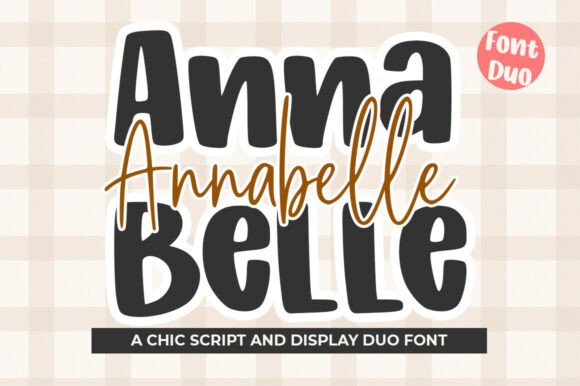
Every designer knows the struggle: finding a typeface that carries genuine personality without sacrificing versatility. You want something that feels crafted by hand but performs reliably across digital screens and printed materials. That balance between artistic expression and practical functionality is exactly where Annabelle shines. This handcrafted font duo brings together two distinct yet complementary styles—bold display letterforms and fluid handwritten script—creating a typeface family that feels both intentional and organic.
The Visual Character Behind Annabelle
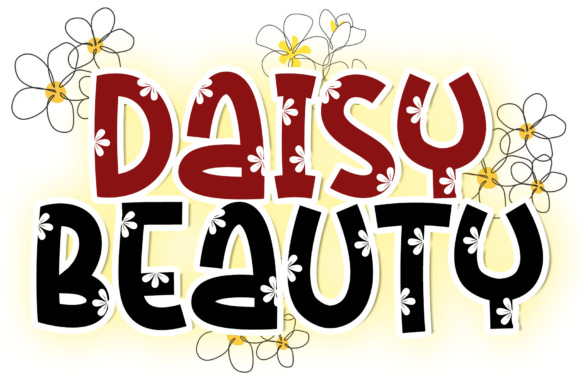
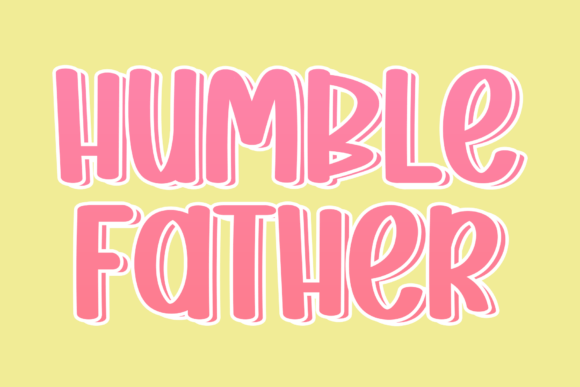
What sets this premium font apart from countless other options on the market is its roots in real hand lettering. Rather than digitizing perfect geometric shapes, Annabelle preserves the natural imperfections and fluid strokes that come from actual brushwork and pen movement. The display component carries strong, eye-catching letterforms with a modern handcrafted touch. These characters command attention without feeling aggressive or over-designed. Each letter carries subtle variations in weight and angle that mimic the natural inconsistencies of hand-drawn typography.
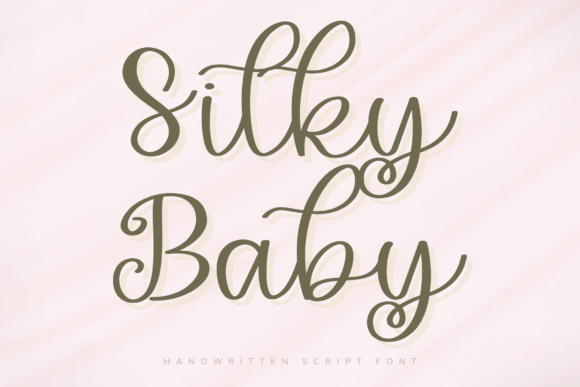
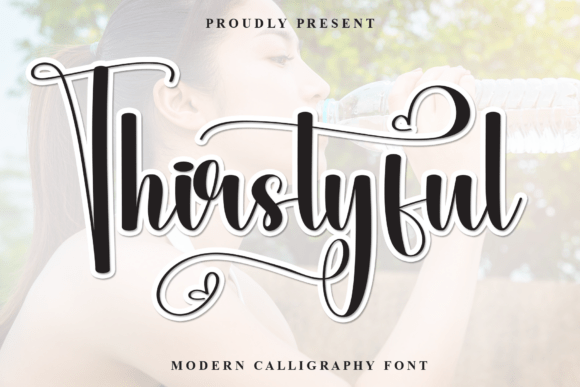
The script side of the family flows with organic curves and brush-like movement. It reads smoothly while maintaining that authentic, hand-lettered quality that so many designers and brands are searching for right now. When used together, these two styles create a harmonious pairing that works across a surprising range of applications. The display font anchors headlines and focal points, while the script adds warmth, personality, and a human touch to supporting text or accent elements.
Real-World Applications That Actually Work
Let's talk about where Annabelle genuinely earns its place in a designer's toolkit. Brand identity projects are an obvious starting point. When you are building a visual system for a small business, boutique brand, or creative entrepreneur, the typography needs to communicate something specific about the brand's personality. A handwritten font paired with a bold display style immediately signals approachability, craftsmanship, and authenticity. Think about artisan bakeries, independent coffee roasters, handmade skincare lines, boutique clothing brands, or wedding planners. These businesses thrive on personal connection, and their visual language should reflect that.
Packaging design is another area where this typeface collection performs exceptionally well. On a shelf crowded with products competing for attention, a package that uses thoughtfully chosen typography stands out. The display font can dominate the product name or key messaging, while the script font handles secondary details like flavor descriptions, taglines, or ingredient callouts. This creates a natural hierarchy that guides the consumer's eye without requiring complex layout gymnastics.
Social media graphics present a constant demand for fresh, engaging content. Whether you are designing Instagram posts, Pinterest pins, Facebook banners, or TikTok overlays, having a creative font that translates well at various sizes is essential. Annabelle's display style remains legible even at smaller dimensions, making it practical for mobile viewing. The script component adds visual interest to quote graphics, promotional announcements, and story templates. For content creators who need to maintain a consistent visual feed, having a go-to font duo like this simplifies the design process considerably.
Improving Visual Consistency and Brand Recognition
One of the most overlooked aspects of typography in branding is consistency. When a business uses too many unrelated fonts across its materials—different typefaces on the website, the business card, the social media posts, and the packaging—the result feels disjointed and unprofessional. Annabelle solves this problem by offering a complete family that works together. You can use the display font for primary headings across every touchpoint while the script handles accent text, creating a unified visual language that customers begin to recognize over time.
Brand recognition depends heavily on this kind of visual repetition. When someone sees your Instagram post and then visits your website, the typography should feel familiar. That familiarity builds trust. It signals that the business is intentional about its presentation, which translates into perceived quality and professionalism. A well-chosen typeface becomes part of the brand's DNA, and having both a display and script option within one family makes maintaining that consistency significantly easier.
Choosing the Right Style for Your Project
Not every project calls for every style, and understanding when to deploy each component of the font duo matters. The display font works best for situations where you need maximum impact with minimal text. Think product names, event titles, hero sections on websites, poster headlines, or the main text on a business card. Its boldness and handcrafted character make it ideal for focal points that need to grab attention quickly.
The script font excels in supporting roles. It adds personality to subheadings, pull quotes, taglines, and accent text. On invitations and event materials, the script can handle the names of hosts, dates, or location details with an elegant, personal touch. For editorial layouts, it works beautifully as a complement to clean serif or sans-serif body text, adding visual variety without overwhelming the reader.
Testing font pairings before committing to a final design is always worth the effort. While Annabelle's two styles are designed to work together, you may also want to pair them with a clean sans-serif font for body copy in longer documents or web content. A simple, neutral typeface for paragraphs ensures readability while letting the handcrafted elements shine in headlines and accents. This combination gives you the best of both worlds: personality where it counts and clarity where it matters.
Readability Considerations and Practical Tips
Handcrafted and script fonts sometimes get criticized for readability issues, and that concern is valid for many options on the market. However, well-designed typefaces account for this. Annabelle's display font maintains clear letter differentiation, even with its artistic flair. The script font uses connected but distinguishable letterforms that remain legible at appropriate sizes. That said, context matters. Avoid using the script font for long paragraphs of body text or at very small sizes where its details might get lost. Reserve it for shorter text elements where its character can be appreciated without straining the reader's eyes.
Consider the medium as well. Fonts that look stunning on a printed wedding invitation might behave differently on a low-resolution screen. Test your designs at the actual size and in the actual environment where they will be viewed. Print a proof before sending materials to a professional printer. View your social media graphics on a phone screen. Check your website typography on both desktop and mobile. These simple steps prevent unpleasant surprises and ensure your typography communicates exactly as intended.
Licensing and Commercial Use
Before using any font for client work or commercial projects, reviewing the licensing terms is essential. Different font licenses cover different use cases—some restrict use to personal projects only, while others permit commercial application across print, digital, and merchandise. For designers working with clients, small business owners creating their own branding materials, or entrepreneurs developing product packaging, confirming that your license covers your intended use protects you legally and ensures smooth collaboration with printers, developers, and other vendors involved in your projects.
Annabelle is positioned as a commercial font designed for professional use across branding, packaging, social media, websites, invitations, posters, merchandise, and creative projects. Understanding what your license includes—whether it covers web embedding, print production, or digital product creation—helps you use the typeface confidently and without complications down the road.
Bringing It All Together
Finding a typeface that genuinely elevates your work requires more than scrolling through font libraries and picking something that looks nice in a preview. It demands thinking about your specific project goals, your audience, and the message your typography needs to communicate. Annabelle offers a rare combination: the visual impact of bold display lettering paired with the warmth and authenticity of hand-drawn script. Whether you are building a brand from scratch, refreshing an existing visual identity, designing packaging for a new product line, or creating social media content that connects with followers, this font duo provides the tools to do it with style and confidence.
The best typography decisions happen when aesthetics and function align. A font should look beautiful, yes. But it should also serve the project's communication goals, maintain readability across contexts, and support the overall brand strategy. Annabelle strikes that balance with care, offering designers, creators, and business owners a versatile typeface family that feels personal, professional, and ready for real-world application.