Shavira Handwritten: Crafting Authentic Brand Voices
There's a moment in every design project when you realize the typeface you've chosen isn't just holding space—it's telling a story. I remember working on a boutique coffee roaster's branding years ago. We had clean sans-serifs for the body copy, but the logo felt sterile, corporate, almost cold. Then we tested a script font with natural ink flow and slight imperfections, and suddenly the brand felt human, approachable, like a friend inviting you over for a pour-over. That's the kind of transformation a typeface like Shavira Handwritten brings to the table.
The Natural Elegance Behind the Letterforms
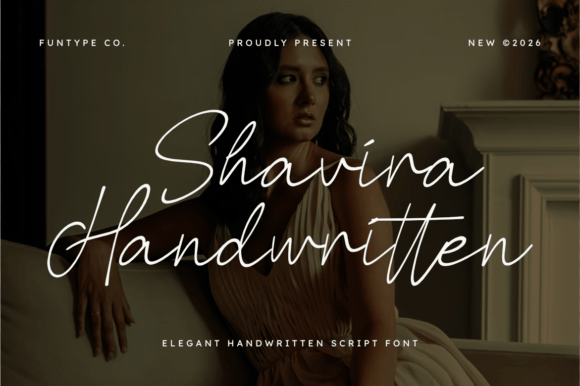
What sets this particular script font apart isn't just its beauty—it's the intentionality behind every curve and connection. The letterforms in Shavira Handwritten mimic the rhythm of actual penmanship, with varying stroke weights that feel organic rather than mechanically uniform. You'll notice subtle inconsistencies in baseline alignment and letter spacing, which is precisely what gives it authenticity. In a landscape saturated with overly polished display fonts, these natural details become a competitive advantage.
The font includes multiple stylistic alternates and ligatures, allowing designers to customize letter combinations so repeated characters don't look identical. If you're building a signature-style logo, this matters enormously. Two "a" characters sitting next to each other in a word like "Havana" won't appear copy-pasted—they'll look like they were drawn by hand in a single, fluid motion. This level of detail is what separates a premium font from free alternatives floating around design marketplaces.
Where This Typeface Truly Shines
Think about wedding invitations for a moment. Couples spend months curating every visual detail—the paper stock, the envelope liners, the wax seal color. A handwritten script font anchors that entire aesthetic. Shavira Handwritten works beautifully on invitation suites because its flowing style conveys romance and celebration without veering into illegibility. Pair it with a clean serif or sans serif for the details like dates and addresses, and you've got a typographic hierarchy that feels intentional and refined.
But the applications stretch far beyond stationery. Small business owners building product packaging for artisan goods—think handmade candles, small-batch skincare, specialty foods—often struggle with finding a typeface that communicates "crafted with care" without looking amateurish. This font sits in that sweet spot. It's polished enough for commercial use but warm enough to feel personal. I've seen it work wonderfully on jar labels, box sleeves, and tissue paper patterns for brands positioning themselves in the premium-but-accessible market.
Social media managers and content creators face a different challenge: standing out in a feed that refreshes every second. Typography plays a surprisingly large role in stopping that scroll. Using Shavira Handwritten for quote graphics, Instagram stories, or Pinterest pins adds a hand-lettered quality that feels less templated and more intentional. When every competitor is using the same handful of free script fonts, choosing a distinctive typeface becomes a branding decision, not just an aesthetic one.
Building Brand Recognition Through Typography
Here's something many entrepreneurs overlook: your typography is as much a part of your brand identity as your color palette or logo mark. When a customer sees your Instagram post, your product tag, your website header, and your email newsletter, consistent font choices create a visual thread that ties everything together. That thread builds recognition. Recognition builds trust. Trust drives sales.
Shavira Handwritten works particularly well for brands that want to convey warmth, creativity, and authenticity. A photographer using it as a watermark on portfolio images, a blogger styling it for post titles, a coach incorporating it into course materials—these are all scenarios where the font reinforces a cohesive brand personality. The key is using it strategically, not everywhere. Reserve it for headlines, names, and accent text. Let a more neutral companion font handle the longer paragraphs.
Practical Pairing and Readability Advice
Speaking of companion fonts, this is where many creative projects succeed or stumble. A script font with this much personality needs a grounding partner. I typically recommend pairing handwritten typefaces with geometric sans serifs or transitional serifs—something with enough contrast to create visual interest but enough neutrality to avoid competing for attention. Think along the lines of a clean, modern sans serif for body copy, with Shavira Handwritten reserved for display text, pull quotes, or call-to-action buttons.
Readability deserves honest conversation here. No script font—no matter how well-designed—is meant for running body text at small sizes. That's not a flaw; it's a design reality. Use this typeface where it makes impact: large headlines, short phrases, names, and accent elements. For paragraphs, product descriptions, or legal copy, switch to a legible serif or sans serif. Your audience will thank you, and your design will actually communicate instead of just decorating.
Before committing to any creative font for a major project, test it across your actual use cases. Set the word or phrase you plan to use most frequently. Check how it looks at the sizes you'll need. Print a sample if it's going on physical materials. View it on mobile screens if it's heading to a website. Typography that looks stunning in a 200-pixel preview might reveal spacing issues or readability concerns at different scales.
Commercial Considerations Worth Noting
One practical detail that often gets overlooked until the last minute: licensing. If you're using a font for commercial purposes—client work, products for sale, business branding—you need to ensure your license covers that use. Most premium fonts come with clear licensing terms, but it's worth reviewing them before purchase. Shavira Handwritten, like other quality typefaces in its category, typically includes licensing for both personal and commercial projects, but always verify the specifics match your intended application. Running into a licensing issue after a logo is already on packaging and signage is an expensive headache nobody needs.
The font files themselves usually include multiple formats—OTF, TTF, and sometimes web font files—so you can use the typeface across print design, web design, and digital products without compatibility headaches. Check whether the version you're purchasing includes the stylistic alternates and ligatures that make the font truly versatile, as some distributions bundle these as separate files.
Making It Work for Your Next Project
Ultimately, choosing a typeface is a creative decision that should serve your project's goals, not just your personal taste. If your brand voice is playful and casual, a tightly structured script might feel misaligned. If your audience expects sophistication and elegance, a loose, casual handwritten font might undercut that positioning. Shavira Handwritten occupies a space that balances elegance with approachability, making it versatile enough for wedding stationery and product packaging alike, but specific enough to carry real personality.
Start with your project's emotional target. What should someone feel when they see your design? Warmth? Luxury? Playfulness? Trust? Then evaluate whether the font's visual character supports that feeling. Test it with real content—your actual business name, your real tagline, your actual headline copy. Generic pangrams like "The quick brown fox" tell you almost nothing about how a font will perform in context. Your specific words, your specific brand, your specific audience—that's where the real evaluation happens.
The best design choices feel inevitable in hindsight. When a typeface fits your brand so naturally that nobody questions it, when it enhances readability instead of hindering it, when it becomes part of how people recognize and remember you—that's when typography moves from decoration to strategy. And that's the real potential sitting inside a thoughtfully crafted script font.