Why Crafty is the Handwritten Font Your Brand Needs Right Now
There's a particular warmth that a handwritten font brings to a project, a sense of human touch that crisp, digital typefaces often lack. It's the difference between a generic card and one that feels personally penned. If you're searching for that perfect blend of sweetness, character, and professional usability, you've likely encountered Crafty. This isn't just another script font; it's a design asset crafted to infuse your work with a cozy, inviting personality that resonates on a personal level.
A Typeface with Character and Flow
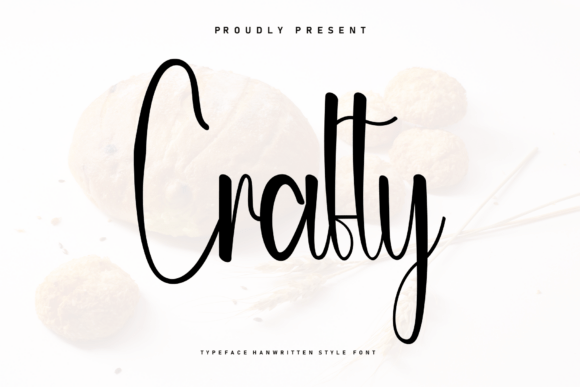
At its core, Crafty is a sweet and beautiful handwritten font. But what sets it apart is the subtle animation in its letterforms. The characters seem to dance gently along the baseline, creating a rhythm that feels organic and lively. This isn't a rigid, formal script; it's a typeface that embodies movement and warmth. This visual quality makes it incredibly versatile. It can feel playful and whimsical for a children's brand, yet sophisticated and heartfelt for a wedding stationery line. The key is in its balance—it's expressive without being illegible, detailed without being cluttered.
For designers and brand strategists, this personality is gold. A font like Crafty can become a cornerstone of a brand's visual identity. Imagine it on the logo of a boutique bakery, the header of a lifestyle blog, or the thank-you note included in an e-commerce package. It immediately communicates care, creativity, and a personal touch. When building a brand, every visual element tells a story, and Crafty tells one of authenticity and approachable charm.
From Screen to Shelf: Practical Applications
The true test of a creative font is how it performs across different mediums. Crafty shines here because its design maintains clarity and impact whether it's scaled up for a poster or used small on a product label.
Digital Presence: On websites and blogs, Crafty can be used for impactful headings, pull quotes, or call-to-action buttons that need to stand out. It brings life to social media graphics—think Instagram story templates, quote cards, or promotional banners that feel personal and engaging rather than corporate. For digital products like downloadable planners, e-book covers, or online course materials, it adds a layer of perceived value and craftsmanship.
Physical and Print Materials: In packaging design, a handwritten font can make a product feel artisanal. Picture Crafty on the label of a small-batch jam, a candle, or a handmade soap. For print materials like business cards, brochures, or event invitations, it elevates the design from standard to special. It's equally effective on merchandise—think tote bags, mugs, or t-shirts—where a unique font can become a key part of the product's appeal. Even in editorial design, a chapter title or section header set in Crafty can break up the monotony of body text and guide the reader's eye.
Making It Work: Pairing and Readability
Using a display font like Crafty effectively requires a thoughtful approach to font pairing and readability. You wouldn't set an entire paragraph of body copy in a script font; its strength is in headlines and short bursts of text. The general rule of thumb is to pair it with a clean, neutral sans serif or serif font. For example, Crafty for a main headline could be supported by a classic like Helvetica, Open Sans, or a gentle serif like Lora for subheadings and body text. This creates a visual hierarchy that is both beautiful and easy to read.
Always test your pairings in context. Mock up a social media post, a website header, or a product label. Does the Crafty font grab attention without overwhelming the supporting text? Is the overall message clear? Pay close attention to letter spacing and line height, especially in digital applications. While the font's dancing baseline is a feature, ensuring sufficient spacing between lines (leading) will keep the text legible and comfortable to read.
Choosing Your Style and Understanding Licensing
A professional font package often includes more than one style, and it's worth reviewing what's included. Crafty may come with stylistic alternates, different weight variations, or a set of decorative glyphs. These extras are incredibly useful for creating variety within a consistent brand look. You could use a bolder version for a main logo and a lighter version for secondary elements, maintaining cohesion without monotony.
Before you integrate any premium font into a commercial project, the licensing is a critical consideration. A font labeled for "personal use" cannot be used on products for sale, in a business logo, or in client work. Always verify that the font license explicitly permits commercial use. This is a non-negotiable step for protecting your business and respecting the type designer's work. Reputable font marketplaces are very clear about licensing terms, so take a moment to read them before purchasing.
Beyond the Font: Building a Cohesive Visual Language
Ultimately, a typeface like Crafty is more than just a collection of letters; it's a tool for building emotional connection and visual consistency. When used thoughtfully, it becomes a recognizable part of your brand's voice. It helps your audience feel something specific when they interact with your materials—whether that's comfort, excitement, nostalgia, or trust. In a crowded market, that feeling is what helps you stand out and be remembered.
So, as you explore your next design project, consider the story you want to tell. If that story involves warmth, creativity, and a human touch, a handwritten font like Crafty might just be the perfect character to help you tell it. Experiment with it, pair it wisely, and watch it add that cozy accent that makes your work feel genuinely yours.