Hockey Font: Unleashing Dynamic Energy in Your Designs
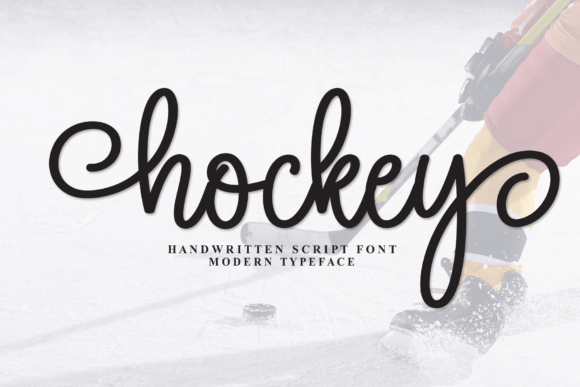
There's a particular kind of energy you see in a well-executed sports logo or a bold activewear brand. It’s not just about the color or the shape; it’s in the lettering itself. The typography feels like it’s in motion, capturing the very essence of the sport or activity it represents. This is the power a typeface like Hockey brings to the table. It’s more than just a collection of letters; it’s a visual representation of fluid motion, athletic power, and unstoppable momentum, crafted into a bold, rhythmic handwritten script.
For designers, entrepreneurs, and content creators, finding a font that truly embodies a specific feeling can be a game-changer. A generic, static typeface might get the message across, but it rarely stirs an emotional response. Hockey, with its thick, connected strokes and looping terminals, is engineered to do just that. It’s designed to feel like a puck sliding across the ice or a player weaving through defenders—fast, continuous, and full of purpose. This isn't your standard script font; it’s a modern typeface that merges the personal touch of handwriting with the unapologetic confidence of a bold display font.
Capturing Motion in Every Stroke
What makes a font feel like it’s moving? In the case of Hockey, it’s a combination of deliberate design choices. The thick weight of the strokes gives it a solid, grounded presence, ensuring it’s legible even at a distance. Yet, the way those strokes connect and loop into the next character creates an unbroken line that guides the eye forward. This sense of continuity is crucial for branding. When a customer sees your logo or marketing material, you want them to feel a sense of flow and professionalism. The visual rhythm of the lettering can subconsciously communicate that your brand is dynamic, reliable, and always moving ahead.
This character makes it an exceptionally versatile creative font. Its strength lies in its ability to be the star of the show in large-scale applications. Think about vinyl cutting for team uniforms, where the text needs to be integrated and movement-driven. Imagine it on a large banner for a local sports event, where it needs to grab attention from across a field. Or consider its impact on apparel graphics, where it can transform a simple t-shirt into a piece of branded merchandise that people are excited to wear. The font’s design ensures that it doesn’t just sit on a surface; it becomes part of the fabric, lending its energy to the final product.
From Brand Identity to Social Media Feeds
A strong brand identity is built on consistency, and typography is a cornerstone of that visual language. Choosing a premium font like Hockey for your primary display typeface sets a clear and memorable tone. For a sports team, a fitness studio, or an activewear startup, this typeface can become synonymous with your brand’s core values of energy and performance. It works beautifully for logo design, creating a mark that is both instantly recognizable and full of personality.
Beyond the logo, the applications are nearly endless. Consider how it could elevate your packaging design, making your product jump off the shelf with a bold, confident statement. For a business that relies on visual engagement, like a fitness influencer or a sports blogger, using Hockey for headlines in your social media graphics can create a cohesive and energetic feed. It’s a font that translates well to digital platforms, ensuring your web design and blog posts have a consistent, high-impact feel that captures and holds audience attention. The visual excitement it provides can significantly improve engagement, making your content more shareable and memorable.
Practical Considerations for Real-World Projects
While its aesthetic is compelling, a font’s practical utility is what makes it a valuable design asset. One of the standout features of this typeface is its legibility. A common concern with script and handwritten fonts is that they can be difficult to read, especially in smaller sizes or long blocks of text. Hockey, however, is designed with clarity in mind. Its bold, open letterforms ensure that words are easily decipherable, which is vital for everything from editorial design in a magazine spread to a call-to-action on a marketing poster.
When incorporating a new font into your workflow, it’s wise to consider font pairing. A dynamic script like Hockey pairs well with a clean, simple sans serif font for body text. This contrast creates a visual hierarchy, allowing the headline font to shine while the supporting text remains highly readable. For example, using Hockey for a poster headline and a classic sans serif for the event details creates a balanced, professional presentation that is both exciting and functional. This approach ensures your designs are not only visually appealing but also clear and effective in communicating their message.
Unlocking Creative Potential with Ease
A font’s usability is just as important as its design. A key feature of the Hockey typeface is that all its glyphs and swashes are PUA encoded. For those who aren’t deep into the technical side of typography, this is a significant advantage. PUA (Private Use Areas) encoding means that all the special characters, stylistic alternates, and decorative swashes are easily accessible. You don’t need advanced design software or specialized knowledge to use them. They can be found and inserted through the standard character map on your computer, making it simple for anyone—from a seasoned designer to a hobbyist crafter—to add those extra flourishes that make a design unique.
Before committing any creative font to a major project, always take the time to test it. Type out your specific brand name, key headlines, or a sample of your intended text. Check the spacing, the flow of the connections, and how it looks in both uppercase and lowercase. Review all the included font styles and alternates to see the full range of what’s possible. This simple step of testing ensures the typeface works perfectly for your specific needs and helps you explore all the creative opportunities it offers. By understanding its personality and capabilities, you can fully harness its power to create designs that are not only beautiful but also strategically aligned with your goals.