High Island Font: Adding Handmade Warmth to Your Designs
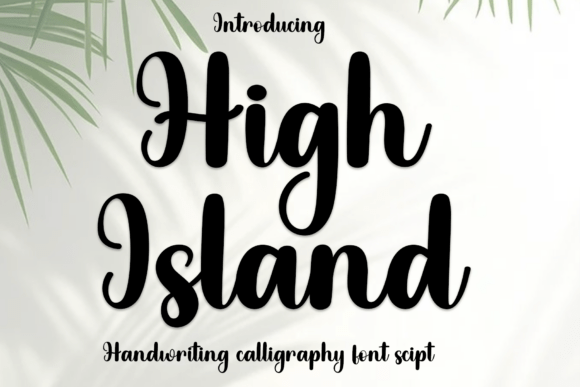
You know that feeling when you stumble upon a font that just feels... right? Not rigid or corporate, but something with actual personality. That's the experience I had when I first tried High Island. It's a casual, creative typeface that manages to be both playful and surprisingly versatile. The round, hand-drawn strokes have this relaxed vibe that makes you think of sunny afternoons and friendly conversations. For anyone tired of sterile, overused fonts, this might be the breath of fresh air your next project needs.
Where This Handwritten Font Really Shines
Let's be real—not every font works for every situation. High Island isn't trying to be a Swiss army knife of typography. But for specific applications where you want to inject personality and approachability, it's incredibly effective. Think about social media graphics where you're competing for attention in a crowded feed. That hand-crafted aesthetic stops thumbs and creates instant connection. I've seen small bakery owners use it for their Instagram stories, and suddenly their cupcakes look even more inviting. The font does half the branding work by making everything feel personal and handmade.
Beyond social media, consider packaging design. If you're selling artisanal products—think local honey, handmade soaps, or specialty coffee—the typography needs to match that artisanal quality. High Island brings that same warmth to product labels and packaging without looking amateurish. I recently worked with a candle maker who switched from a generic script font to High Island on their labels. The difference was subtle but significant—the products suddenly looked more cohesive and intentionally crafted. That's the power of choosing a typeface that aligns with your brand's actual personality.
Making It Work for Your Brand Identity
Here's where many designers and small business owners get stuck: they find a font they love visually but struggle to integrate it effectively into their broader brand system. High Island works best as what I call an "accent font"—it's perfect for headlines, quotes, and call-to-action elements, but you'll want to pair it with something more neutral for body text. I typically recommend combining it with a clean sans serif for websites or a simple serif for print materials. This creates visual hierarchy while maintaining that friendly, approachable tone throughout your materials.
One practical tip: before committing to any font for your brand, test it across different mediums. High Island reads beautifully on screens, which makes it great for digital products and website headers. But also print out some samples—how does it look on business cards? On merchandise like tote bags or t-shirts? The font's rounded forms actually reproduce well at various sizes, but you want to make sure it maintains that hand-drawn charm when scaled up for posters or down for small packaging details. I always create a mini style guide showing the font in different contexts before finalizing a brand identity system.
Beyond the Obvious: Unexpected Applications
Most people think of creative fonts like High Island only for obvious projects—wedding invitations, maybe some blog graphics. But let's think more creatively. Editorial design? Absolutely. Imagine a lifestyle magazine using this font for pull quotes or section headers—it immediately makes the publication feel more accessible and less stuffy. Digital products like e-books or online courses? Yes. The font's friendly personality can make educational content feel less intimidating and more engaging. Even email newsletters benefit from that touch of warmth when used in subject lines or key headers.
Merchandise is another area where High Island excels. I've worked with several Etsy sellers and small brands creating everything from enamel pins to apparel. When your font has character, it becomes part of the product's appeal. People aren't just buying a t-shirt with words on it—they're buying into that aesthetic. The font's standard PUA encoding means those special characters and alternates work seamlessly across design applications like Adobe Illustrator or Canva, which is crucial when you're creating production-ready files for merchandise.
Practical Considerations Before You Dive In
Alright, let's talk about the practical stuff. First, licensing. Always check what's included with your font purchase. High Island comes with commercial licensing, which is essential if you're using it for client work or products you sell. Second, explore all the included styles. Many premium fonts include multiple weights, stylistic alternates, or special characters that can really expand your design options. Take an hour to really explore what's in the font package—you might discover perfect alternatives for certain letters that make your designs even more unique.
Readability is another key consideration. While High Island is surprisingly legible for a handwritten font, you'll still want to use it thoughtfully. Avoid setting large blocks of body text in it—save it for headlines and short phrases where its personality can shine without overwhelming the reader. Test color combinations too; that warm, rounded aesthetic might pair better with soft, earthy tones than with stark black-and-white contrasts. And finally, don't forget about context. A playful font might work perfectly for a children's brand but feel out of place for a law firm's website. Always ask yourself: does this font match the emotional tone I want to convey?
Final Thoughts on Font Selection
Choosing typography is ultimately about communication. Every font tells a story before anyone reads a single word. High Island tells a story of creativity, approachability, and human touch. In a world saturated with sleek, impersonal design, sometimes what we need is something that feels genuinely human. Whether you're designing a logo for a new startup, creating packaging for your homemade jam business, or crafting social media graphics for your blog, the right typeface can bridge the gap between your brand and your audience. It's not about following trends—it's about finding tools that help you communicate more authentically. And sometimes, that tool is a font that feels like it was drawn by hand just for your project.