Heightall: The Bold Typeface for High-Impact Visuals
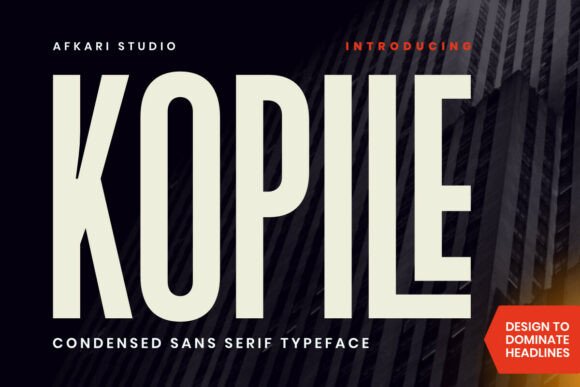
There’s a specific kind of visual tension that grabs your eye and doesn’t let go. It’s the feeling you get when a design commands the room, not with noise, but with sheer structural confidence. This is the space where the Heightall font lives. It’s not just another typeface; it’s a tool engineered for presence. Imagine a typeface that takes the clarity of a sans serif and stretches it vertically while compressing its width, creating a form that is both architectural and urgent. That’s the core of its appeal. For anyone building a brand, designing an album cover, or crafting a social media campaign that needs to cut through the digital clutter, understanding how to wield this kind of bold, ultra-condensed typography can be the difference between being glanced at and being remembered.
A Study in Vertical Dominance
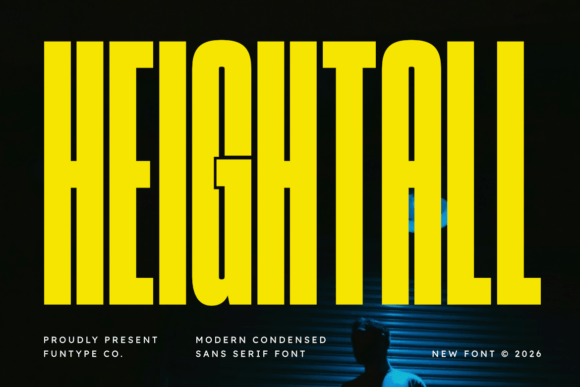
What makes a font like Heightall so visually arresting? It’s all about the proportions. In a world saturated with wide, sprawling layouts, a tall and narrow typeface creates immediate visual hierarchy. The letters stand like sentinels, drawing the viewer’s gaze upward. This isn’t just an aesthetic choice; it’s a practical one. The condensed nature means you can fit more impactful text into a tight space—think a bold headline on a poster or a powerful statement on a website hero section—without sacrificing readability or scale. The clean, confident lines ensure that even at its most dramatic, the text remains professional and sharp. It’s a modern typography solution that avoids the fussiness of a script font or the informality of a handwritten font, landing squarely in the territory of serious, contemporary design.
For a small business owner or a creative entrepreneur, this font’s personality is a direct asset. It communicates strength, modernity, and a no-nonsense attitude. It’s the kind of typeface that feels at home on a fitness brand’s logo, a tech startup’s landing page, or the cover of a minimalist architecture magazine. The visual weight it carries allows it to anchor a design, providing a stable foundation upon which other, more delicate elements—like a subtle serif font for body copy or a thin line icon—can play. This interplay is where good design happens, and Heightall provides a powerful starting point for that conversation.
Practical Applications Across the Spectrum
The true test of a premium font is its versatility. Can it move from a digital screen to a printed label without losing its voice? With a font like this, the answer is a resounding yes. Its design is inherently flexible, making it a valuable piece in any designer’s toolkit of creative assets.
Consider its role in brand identity. A logo set in a bold, condensed sans serif immediately feels established and authoritative. It works exceptionally well for brands in fitness, automotive, extreme sports, technology, or any field where precision and power are key selling points. The font’s structure allows for creative lockups and monograms that feel unique and ownable.
Moving beyond the logo, think about packaging design. On a crowded shelf, a product needs to shout its name. Heightall allows for a large, dominant product name that remains legible even from a distance, while its condensed width leaves valuable real estate for other necessary information. The same principle applies to posters and merchandise. For a concert poster, a band name in this typeface would dominate the layout with energy. For a t-shirt design, it offers a stylish, wearable aesthetic that’s both graphic and readable.
In the digital realm, its impact is just as potent. For social media graphics, where attention spans are short, a bold headline in Heightall can stop the scroll. It’s perfect for creating quote graphics, announcement posts, or story backgrounds that need to communicate a message quickly and stylishly. On a website, it can be used for hero section headlines, section titles, or call-to-action buttons, guiding the user’s eye and reinforcing the site’s modern aesthetic. Even in editorial design for blogs or digital magazines, it can be used for chapter titles or pull quotes to add a layer of visual interest and break up long blocks of text.
Integrating Heightall Into Your Workflow
Adopting a new typeface is more than just a download; it’s about understanding its place in your design system. The first step is to explore the font family. A well-designed premium font often includes multiple weights or styles. Check if it comes in regular, bold, or even black variants. These options allow you to create subtle hierarchies within your headings themselves, using a bolder weight for the main title and a lighter one for a subtitle, all while maintaining a cohesive look.
The art of font pairing is where you can truly make the typeface your own. Because Heightall is so strong and stylized, it often benefits from a more neutral, readable companion for body text. A classic, clean serif font can create a beautiful contrast between modern boldness and traditional elegance. Alternatively, pairing it with a simple, geometric sans serif for body copy keeps the entire design feeling contemporary and streamlined. The key is to let Heightall be the star of the show in headlines and short bursts, and let its partner handle the heavy lifting of longer paragraphs.
Never underestimate the importance of readability considerations. While the font is designed for impact, context is everything. A line of text set in an ultra-condensed font at a very small size on a busy background can become challenging to read. Always test your designs at the intended size and on the intended medium. Is it clear on a mobile phone screen? Does it hold up when printed on a textured paper? A quick review with fresh eyes—or better yet, from a colleague—can catch potential issues before they go live.
Finally, for any project that will be used commercially, from a client’s logo to merchandise for sale, commercial licensing