Goks: The Creative Sans Serif Font That Gives Brands a Bold Edge
You know the moment when you see a logo and instantly understand what the brand is about? That gut reaction, that flash of recognition—it rarely happens by accident. It's the result of deliberate choices, and one of the most powerful of those choices is the typeface used. A font carries personality the way a voice carries tone. Get it right, and your audience feels something before they even read a word. Get it wrong, and your message lands flat no matter how clever it is.
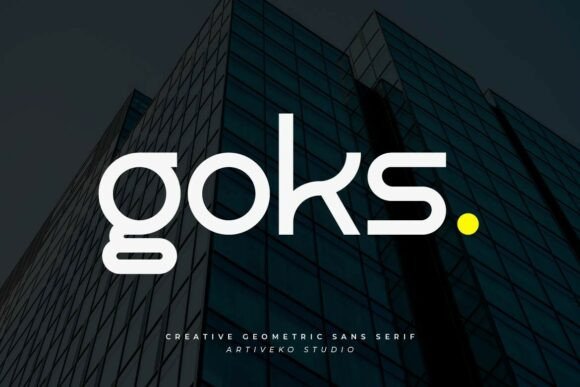
Goks is a creative sans serif typeface built precisely for those moments. It's not trying to be everything to everyone. Instead, it leans into a specific visual territory: bold, clean, and unmistakably modern, with just enough character to feel human without sacrificing clarity. For anyone building a brand identity, designing packaging, or crafting social media visuals that need to stop the scroll, this is the kind of font that quietly does the heavy lifting.
What Sets This Typeface Apart From Generic Sans Serif Options
Walk into any font library and you'll find thousands of sans serif fonts. Most of them are perfectly functional. They'll render text on a screen, they'll print cleanly on paper, and they won't embarrass you in a client presentation. But "functional" and "memorable" are two very different things.
Goks occupies that sweet spot between professionalism and creative flair. The letterforms have clean structure and balanced proportions, which means they read well at a glance. But look closer and you'll notice distinctive details in the character shapes—subtle curves, confident strokes, and a rhythm that gives the typeface visual personality without tipping into gimmick territory. It's the kind of design work that separates a premium font from something you'd find in a free download pack.
This balance matters more than most people realize. A font that's too quirky can undermine trust. A font that's too sterile can make a brand forgettable. Goks threads that needle deliberately, giving designers a tool that communicates credibility while still feeling fresh and approachable.
Where This Font Actually Works in Real Projects
Let's talk specifics, because theoretical font discussions rarely help anyone make a decision.
Logo design is the obvious starting point. Goks was designed with logo work in mind, and it shows. The letter shapes hold their structure whether the logo is scaled up for a billboard or shrunk down for a favicon. That kind of versatility is critical for brands that exist across multiple touchpoints—a coffee roaster with packaging, a website, and branded merchandise needs a typeface that performs consistently everywhere.
Packaging design is another natural fit. Think about the shelf at a grocery store or a boutique shop. Consumers make split-second decisions based on visual cues. A font like Goks, with its bold presence and clean readability, helps products communicate their positioning fast. Whether it's a craft beer label, a skincare line, or artisan food packaging, the typeface supports the product story rather than competing with it.
For social media graphics, readability at small sizes and on mobile screens is non-negotiable. Goks handles this well because of its open letterforms and consistent stroke weight. Instagram posts, Pinterest pins, Facebook ads, YouTube thumbnails—each platform has its own visual noise, and a typeface that cuts through that noise without resorting to extreme styling is genuinely valuable.
Website headers and blog titles benefit from the same qualities. Web design requires fonts that load well, render cleanly across browsers, and maintain their character at various screen resolutions. A creative sans serif like Goks gives site owners a way to inject personality into their digital presence without sacrificing the user experience.
Then there's the world of print materials and editorial design. Business cards, brochures, magazine layouts, event posters, invitations—each of these applications demands a typeface that looks intentional on paper. Goks brings enough visual weight for headlines while remaining refined enough for subheadings and callouts in editorial layouts.
Don't overlook merchandise and digital products either. Tote bags, mugs, t-shirts, planners, e-book covers, course materials—these are all places where a distinctive typeface adds perceived value. When someone sees a well-designed product, they unconsciously assign more credibility to the brand behind it.
Matching Typography to What You're Actually Trying to Achieve
Here's something that trips up a lot of people, whether they're seasoned designers or small business owners handling their own branding: choosing a font based on how it looks in isolation, rather than how it serves the project.
A typeface that looks stunning on a mood board might fall apart in context. The question isn't "does this font look cool?" It's "does this font communicate the right thing to the right audience for this specific project?"
Goks works particularly well for brands and projects that want to project modern confidence. Think tech startups, creative agencies, lifestyle brands, fitness companies, food and beverage ventures, and any business that wants to feel current without being trendy. Its personality is assertive but not aggressive, creative but not chaotic.
If your project calls for something more traditional or formal, Goks might not be the right primary choice. But even then, it could work beautifully as a secondary typeface paired with a serif font for contrast. Font pairing is where a lot of design magic happens. A classic serif like a Garamond or Playfair Display used for body text, combined with Goks for headlines and display elements, creates visual hierarchy and keeps layouts dynamic.
Test your pairings before committing. Set real text, not just the alphabet. Use actual headlines from your content, your real business name, your actual tagline. Look at the combination at different sizes and on different backgrounds. What works at 72 points on a white background might feel cramped or lost at 18 points on a photograph.
Practical Considerations That Save Headaches Later
Before you integrate any font into a brand system or client project, a few practical checks can prevent problems down the road.
First, review the full character set and included styles. Does the font include the weights you need? A single weight might be enough for a logo, but brand systems often require regular, bold, and sometimes light or medium variations for different applications. Check for extended character support too—accented characters, numerals, punctuation marks, and special symbols. If you're working with international audiences or multilingual content, this matters significantly.
Readability testing is another step people skip too often. Set paragraphs, not just headlines. Check how the font performs in longer text blocks if you plan to use it for more than display purposes. Look at letter spacing and line height. A font that dazzles in a single word might create eye fatigue when used for a full social media caption or website paragraph.
Licensing is the final piece that deserves attention. Commercial projects require commercial licenses. This sounds obvious, but font licensing violations are surprisingly common, often because people genuinely don't understand the terms. If you're using a font for a client project, merchandise you'll sell, or any commercial application, verify that the license covers that use. Many premium font licenses distinguish between desktop use, web use, and embedding in digital products. Read the specifics. It's far cheaper to buy the right license upfront than to deal with a licensing issue after a brand identity is already established across dozens of touchpoints.
Building Visual Consistency Across Every Touchpoint
One of the most underrated benefits of choosing a strong typeface early in a project is the consistency it creates. When a single font family carries the visual language across a website, social media presence, packaging, print materials, and merchandise, the brand feels cohesive. Customers might not consciously notice the typography, but they register the unified feeling it creates.
Goks supports this kind of systematic brand identity work because its design is internally consistent. The proportions, spacing, and visual weight stay coherent across different sizes and applications. That means a logo set in Goks on a business card will feel related to the same typeface used for Instagram story headers or product packaging. This kind of visual thread is what transforms a collection of design assets into a recognizable brand.
For entrepreneurs and small business owners who are building their brand from scratch, investing in a quality typeface early is one of the highest-leverage design decisions you can make. It gives every future piece of marketing a head start. Instead of searching for a new font every time you create something, you have a reliable foundation that makes everything look intentional and professional.
The difference between amateur design and polished design often comes down to these foundational choices. A creative sans serif like Goks gives you the tools to build something that looks deliberate, feels modern, and holds up across the messy reality of real-world applications—from a pixel-perfect website hero section to a slightly-worn business card pulled from someone's wallet three months after they met you.