Cedar: Where Botanical Whispers Meet Serif Sophistication
There is a specific quietness to a garden at dawn, a feeling of organic elegance that many designers struggle to capture digitally. We often find ourselves torn between the clean rigidity of modern geometric fonts and the chaotic energy of free-flowing scripts. However, there is a middle ground, a typographic space where structure meets nature. Enter Cedar, a decorative floral serif that doesn’t just display words; it breathes life into them. This typeface is designed for those who view their work not just as content, but as a curated experience. It is for the artisan, the wedding planner, and the boutique owner who understands that the vessel for the message is just as important as the message itself.
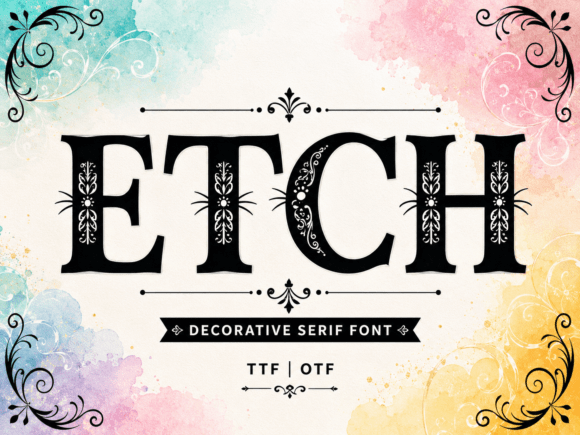
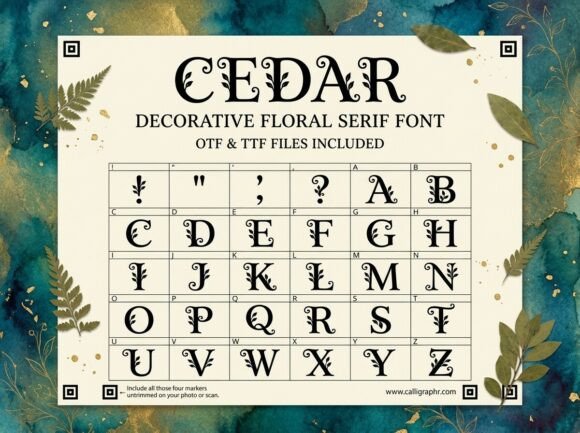
Cedar is not merely a collection of letters; it is a visual language. At its core, it relies on high-contrast serif letterforms—thick and thin strokes that dance together to create a rhythm familiar in traditional typography. Yet, Cedar immediately distinguishes itself through its "timeless-and-botanical" soul. Look closely at the terminals and stems of the characters, and you will find rhythmic, hand-drawn leaf sprouts emerging organically. These aren't clumsy clip-art additions; they are integrated into the DNA of the font, offering a sophisticated graphic weight that feels simultaneously vintage and fresh.
The Anatomy of an Organic Typeface
What makes a font like Cedar work so well in professional settings is its ability to command attention without shouting. Many decorative fonts sacrifice readability for flair. Cedar, however, maintains a professional presentation. The serif structure ensures that the eye can track lines of text comfortably, while the botanical flourishes provide that crucial "graceful-and-earthy" aesthetic. It strikes a balance that allows it to function as a display font for headers and logos, while still being legible enough for short bursts of body text in specific contexts like wedding invitations or product tags.
Understanding the personality of this premium font is key to using it effectively. It speaks of heritage, nature, and careful craftsmanship. If your brand identity relies on industrial minimalism or aggressive tech futurism, Cedar might feel out of place. But for projects that require warmth, nostalgia, and an organic touch, this serif font is a powerhouse. It bridges the gap between the formal authority of a serif and the playful charm of a handwritten font or script font.
Cultivating Your Brand Identity
For small business owners and creative entrepreneurs, consistency is the bedrock of brand recognition. When you choose a typeface as distinct as Cedar, you are making a statement about your values. Consider the artisanal tea packaging market. A brand selling chamomile blends wants to evoke feelings of relaxation, nature, and purity. Using Cedar on box labels and marketing materials instantly signals these values. The leaf sprouts on the letterforms mimic the ingredients inside, creating a cohesive visual story that builds trust with the consumer.
This extends deeply into logo design. A logo sets the stage for everything else. Using Cedar for a wordmark allows a boutique garden center or a high-end florist to establish a signature look that competitors cannot replicate with standard system fonts. The high-contrast strokes ensure the logo looks professional in black and white, while the organic details shine when printed in earthy greens or muted florals.
Practical Applications in the Wild
The versatility of Cedar allows it to shine across various design assets. It is not limited to one medium. Here is how you can leverage this creative font across your ecosystem:
- Wedding Stationery: This is Cedar’s native habitat. From save-the-dates to the day-of signage, the font captures the romance of a garden wedding. It pairs beautifully with vellum overlays and textured cardstocks.
- Social Media Graphics: In a sea of sans-serif minimalism on Instagram, a graceful-and-earthy header stands out. Use it for quotes, sale announcements, or carousel covers to stop the scroll and attract an audience interested in lifestyle and aesthetics.
- Web Design and Blogs: While you wouldn't use it for an entire blog post, Cedar is exceptional for H1 and H2 headers on a website. It creates a strong visual hierarchy and sets the mood immediately upon landing on the page.
- Editorial Layouts: For magazines or lookbooks focusing on slow living, gardening, or sustainable fashion, Cedar offers a sophisticated alternative to standard editorial serifs.
Mastering the Pairing
A common pitfall with decorative fonts is isolation. Because Cedar has such a strong personality, it needs a partner that supports it rather than competes with it. This is where font pairing becomes an essential skill. To maintain readability and visual consistency, you should avoid pairing Cedar with another display font or a complex script.
Instead, look for a sans serif font with clean lines and a neutral tone. A geometric sans-serif or a humanist sans-serif works best as a companion. The sans-serif can handle the heavy lifting of body copy—paragraphs, descriptions, and fine print—while Cedar handles the headlines and focal points. This contrast creates a dynamic modern typography layout where the botanical elements of Cedar pop against the clean background of the supporting text. When testing pairings, pay attention to x-heights; ensure the lowercase letters of your body font don't dwarf or vanish next to the Cedar letterforms.
Technical Considerations for Professional Use
When investing in a commercial font, you are buying more than just shapes; you are buying utility and legal security. Before finalizing a design, it is crucial to review the licensing. Ensure the font license covers your specific intended use, whether that is for physical merchandise, digital products, or server-side web embedding.
Furthermore, explore the full character set of the typeface. A high-quality font like Cedar often comes with alternates, ligatures, and stylistic sets. These features allow you to customize the text further, ensuring that two instances of the same letter don't look identical, which enhances the hand-drawn, organic feel. Always test the font in the specific medium you intend to use. A font that looks stunning on a matte business card might lose detail on a low-resolution screen, or vice versa. Check the rendering at various sizes to ensure the delicate leaf details remain crisp and don't turn into muddy pixels.
Elevating the Everyday
The goal of good design is to evoke emotion. Whether you are a content creator looking to define your aesthetic or a marketer launching a new eco-friendly product, the typography you choose acts as a silent ambassador. Cedar offers a way to infuse your work with a sense of nature and timelessness that is difficult to achieve with standard corporate fonts.
It transforms a simple invitation into a keepsake. It turns a generic product label into a shelf standout. It elevates a social media post from a mere update to a piece of visual art. By integrating this display font into your toolkit, you are not just decorating text; you are building a world for your audience to step into. In a digital landscape that often feels cold and sterile, Cedar offers a warm, botanical hand to guide the viewer through your story.