The Architectural Elegance of the Montala Script Typeface
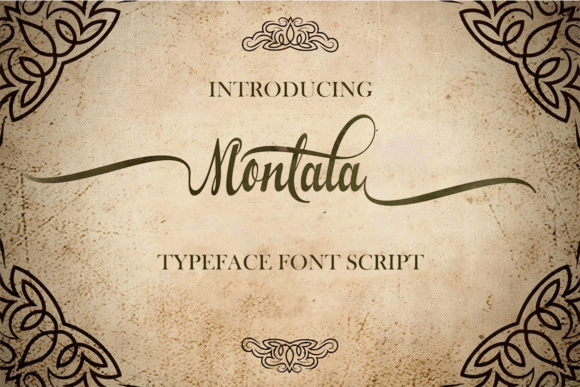
There are typefaces that simply convey words, and then there are typefaces that tell a story before the reader even processes a single letter. The Montala font belongs firmly in the latter category. It is not merely a collection of glyphs; it is an architectural statement, a masterful script typeface that defines luxury through its incredibly long, sweeping swashes and delicate lines. For designers and business owners who understand that typography is the voice of a brand, Montala offers a whisper of history and a shout of sophistication. It captures the essence of fine penmanship from a bygone era, transforming standard text into a visual heirloom.
A Visual Architecture of Flourishes
What sets Montala apart from standard handwritten or script fonts is its structural integrity. While many script typefaces aim for a casual, organic feel, Montala is an “architectural” script. This means the letterforms are built with precision, featuring dramatic extensions that frame your text in a web of elegance. The swashes are not random; they are designed to interact with the letters and the surrounding negative space, creating a balanced composition even in a single word.
Imagine the flourishes not just as decorations, but as the scaffolding of a grand building. They extend far beyond the baseline and cap height, offering a sense of movement and grandeur. This makes the typeface particularly effective for display purposes where the goal is immediate impact. When you use Montala, you are essentially using the text itself as the primary graphic element. The "M" and "N" characters, with their sweeping tails, are particularly striking, capable of anchoring a design on their own. This visual weight makes it a premium font choice for anyone looking to add instant prestige to a layout.
Practical Applications for Modern Brands
While Montala evokes a vintage feel, its application in modern design is surprisingly versatile. It is the ultimate choice for projects that require a sense of permanence and heritage, but it fits seamlessly into contemporary luxury markets as well. The key is understanding where this level of ornamental detail serves the project best.
Logo Design and Brand Identity: For businesses in the wedding industry, high-end consulting, or bespoke craftsmanship, a logo sets the tone. Montala works beautifully as a wordmark. Because the letters are so distinct, you rarely need additional imagery. However, because of the long swashes, it is crucial to test the logo in various sizes to ensure the flourishes don't obscure legibility in smaller applications like favicons.
Packaging and Labels: This is where Montala truly shines. Consider a high-end wine label, a boutique chocolate box, or a luxury candle. The font’s ability to mimic fine penmanship suggests that the product inside is artisanal and carefully crafted. It feels like a piece of history, making it perfect for products that rely on a narrative of tradition and quality.
Invitations and Stationery: Whether for a gala, a wedding, or a corporate event, invitations set the expectation for the occasion. Montala provides the formality of engraving without the cost of a calligrapher. Its dramatic lines command attention on a physical card, ensuring the event feels exclusive.
Editorial and Digital Layouts: In editorial design, Montala can be used for drop caps or pull quotes to break up long blocks of text. On social media, a single word set in Montala can stop the scroll, acting as a focal point against a clean background. It is a creative font that turns a simple Instagram post into a piece of art.
Pairing Montala with Complementary Typefaces
One of the most important aspects of using a highly stylized script font is knowing what to pair it with. Because Montala is so expressive, it requires a quieter partner to maintain readability and visual consistency. You want the audience to engage with the elegance, not be overwhelmed by competing styles.
The Classic Serif Approach: Pairing Montala with a traditional serif font creates a timeless, editorial look. The serif font can handle the body copy, providing a stable reading experience, while Montala handles the headlines. This combination works well for heritage branding, book covers, and formal invitations.
The Modern Sans Serif Contrast: For a more contemporary vibe, try pairing Montala with a clean, geometric sans serif. The sharpness of the sans serif will highlight the organic curves of the Montala typeface. This high-contrast pairing is excellent for modern luxury brands, web design, and marketing assets that need to look both expensive and current.
Avoiding the Clash: As a general rule of typography, avoid pairing two script fonts together. Also, stay away from "novelty" fonts or other decorative typefaces. Montala is a "smart font" that demands attention; it does not need competition. Keep the supporting cast simple to let the star performer take the stage.
Design Tips for Maximum Impact
To get the most out of this script typeface, you need to treat it with the same care you would a high-resolution photograph. Here are a few practical tips for designers and content creators:
- Leverage Texture: Montala pairs exceptionally well with tactile elements. If you are designing for print or creating digital mockups, consider overlaying the text on aged paper textures or applying gold foil effects. The delicate lines of the font mimic the flow of ink, so textures that suggest physical media enhance its realism.
- Spacing is Key: Due to the long swashes, tracking (letter spacing) needs careful adjustment. If the letters are too close, the flourishes will tangle. If they are too far apart, the word loses its cohesion. Always manually adjust the kerning for headlines to ensure the architectural extensions frame the text perfectly.
- Color Palette: While Montala looks stunning in black and white, it truly feels like a piece of history when rendered in deep jewel tones (emerald, burgundy, navy) or metallics. These colors reinforce the premium nature of the font.
- Review Font Styles: A comprehensive typeface like Montala often comes with alternate characters or stylistic sets. Take the time to review the glyph map. You may find different versions of key letters that fit your specific layout better, allowing for a truly custom design.
Commercial Licensing and Usage Considerations
When selecting a creative font for a business, the aesthetic is only half the equation. The practical side of licensing is vital. Most premium fonts like Montala come with a license that distinguishes between personal and commercial use. If you are a small business owner planning to use the font on your product packaging, merchandise, or a monetized website, ensure you have purchased the appropriate commercial license.
Furthermore, consider the technical file formats. For web design, you will need a web font format (like WOFF2) to ensure fast loading times and compatibility across browsers. For print materials and logos, an OTF or TTF file is standard. Checking these details beforehand ensures that your brand identity remains consistent across all touchpoints, from a business card to a billboard.
Ultimately, typography is a silent ambassador for your brand. It communicates values, quality, and personality before a customer reads a single promise. Montala is more than just a script font; it is a tool for visual storytelling. By incorporating its dramatic extensions and historical elegance into your projects, you aren't just choosing a typeface—you are choosing to frame your work in a web of unparalleled beauty. Whether you are designing a wine label, a wedding invite, or a website header, Montala offers a bridge between the past and the present, wrapped in a package of undeniable luxury.